JLHY Self-Drilling Screws
JLHY Self-Drilling Screws
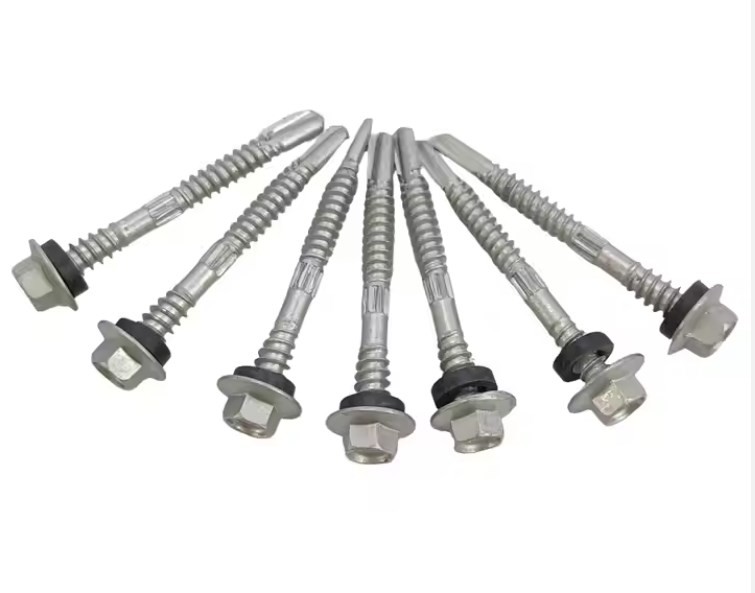
- JLHY Self-Drilling Screws — Quick Details
- •Material: High-quality carbon steel / stainless steel / copper
- •Finish: Bright, galvanized or customized coating
- •MOQ: Negotiable, flexible for different markets
- •Packaging: OEM packaging available
- •Lead Time: Contact us for details
Detailed Information For JLHY Self-Drilling Screws
Features
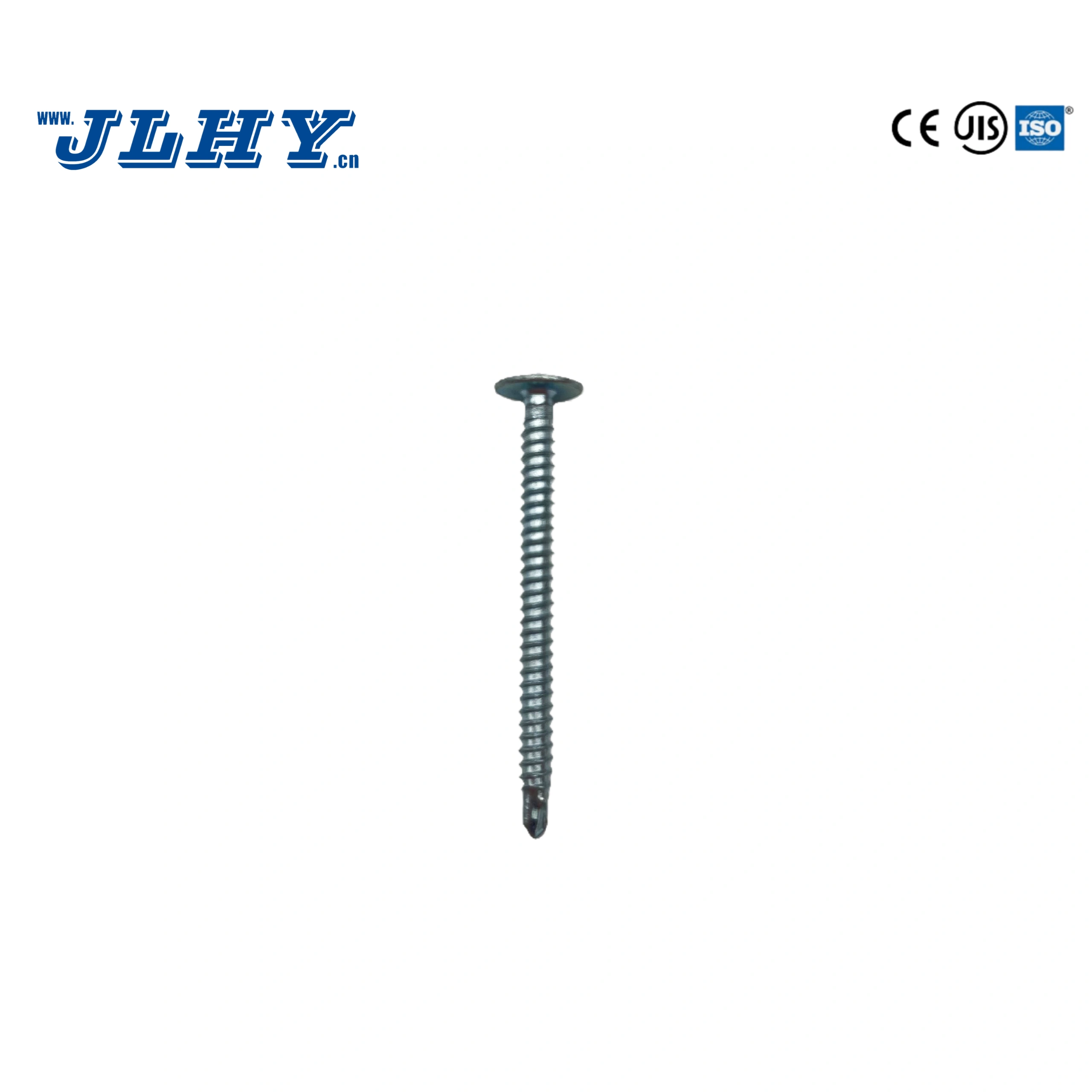
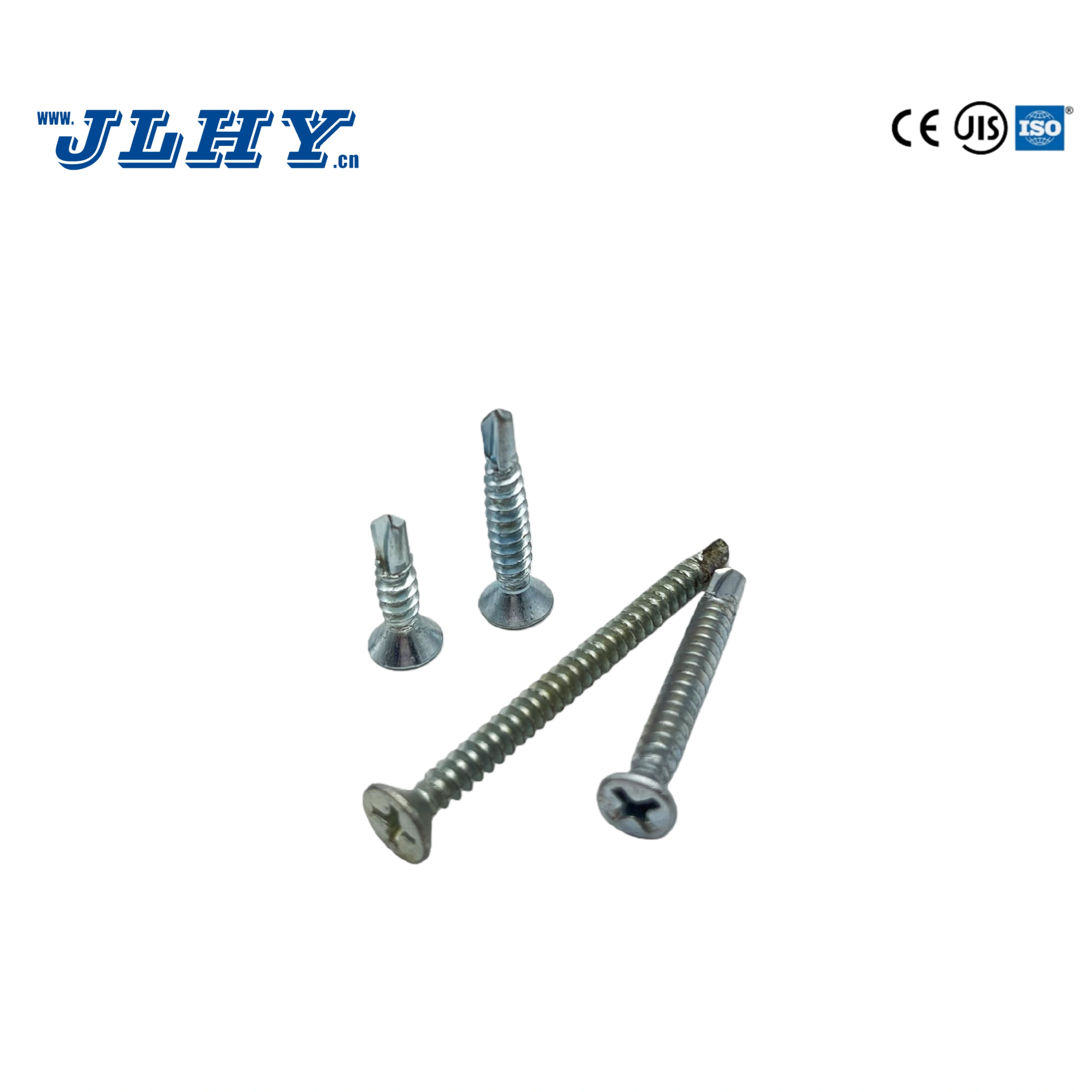
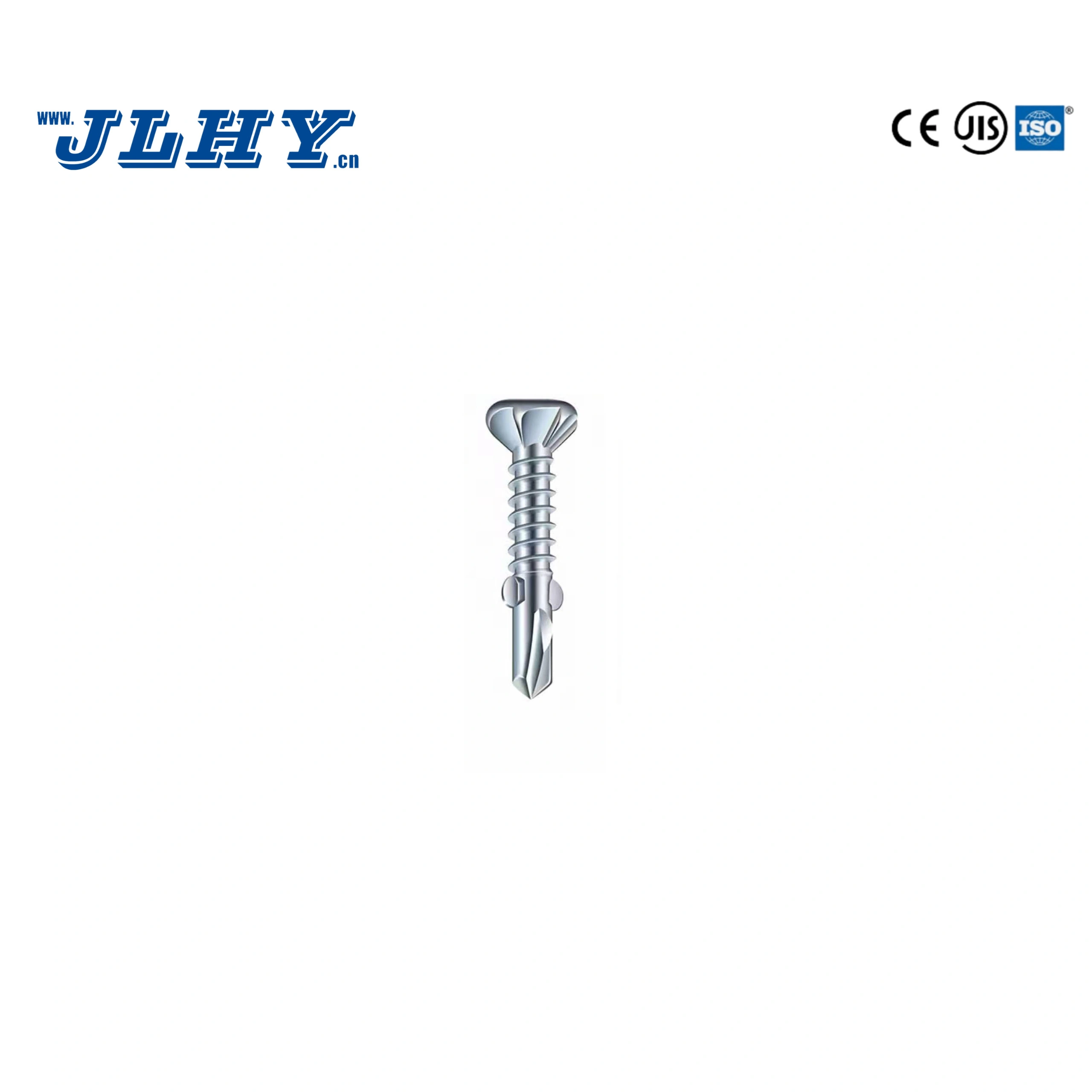
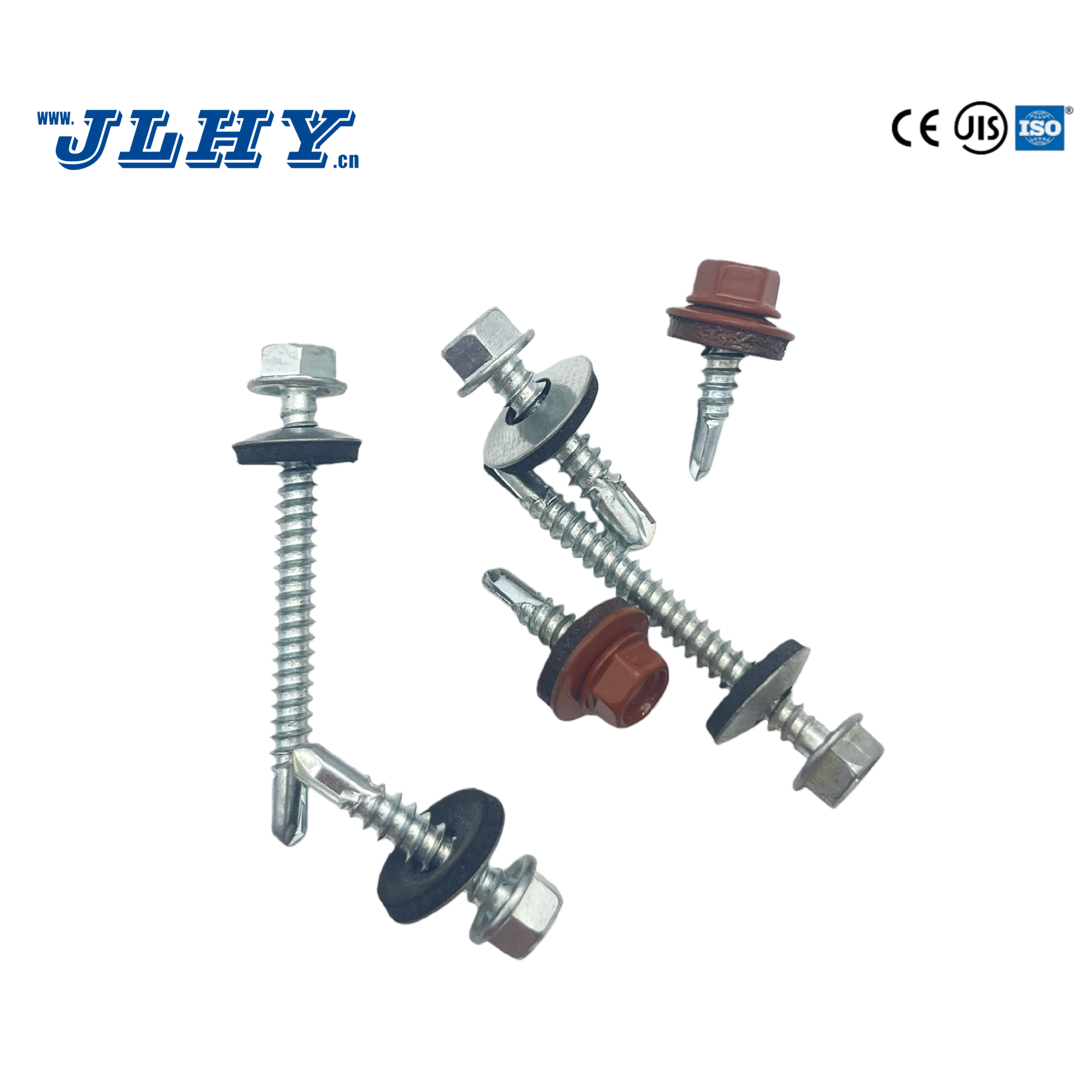
Self-drilling screws, also known as Tek screws, are designed to drill their own holes in a variety of materials, including metal and wood, without the need for pre-drilling. The key features that make self-drilling screws unique include the drill point, which is a cutting tip that both creates threads and drills a hole on its own. This feature saves time and reduces the need for additional tools. Drill flutes, or grooves, run along the length of the screw and serve to remove heat and chips produced during the drilling process. If the flutes become fully embedded, the screw may overheat and fail, making the design of these channels crucial for the screw's performance. Some self-drilling screws also incorporate point wings, which are particularly useful when working with softer materials like wood. These wings expand the hole slightly, preventing the threads from engaging too early, and they break off once they come into contact with a harder base material, ensuring a secure fit. When it comes to material, self-drilling screws are commonly made from case-hardened carbon steel, although stainless or zinc-plated steel options are available for environments requiring higher corrosion resistance. Lastly, the head styles of self-drilling screws vary widely, including hex washer, pan, and wafer heads, each designed for specific applications and aesthetic preferences, allowing for versatility in both function and appearance.
Drill point: A cutting tip that creates threads and drills a hole on its own.
Drill flutes: Channels that remove heat and chips produced while drilling. The screw may overheat and fail if the flutes are fully embedded.
Point wings: To keep the threads from engaging too soon, some screws feature wings that expand the hole in softer materials (like wood). When the wings come into touch with the tougher base material, they break off.
Applications
Self drilling screws are widely used in various applications due to their ability to drill, tap, and fasten in one operation, eliminating the need for pre-drilling. They are commonly used in metal building construction for attaching metal sheets to frames, in HVAC systems for securing ductwork, and in manufacturing for assembling components. Additionally, self drilling screws find application in home improvement projects, such as attaching wood to metal or joining multiple layers of material. Their versatility and efficiency make them a popular choice across many industries, including automotive, where they can be used for attaching trim pieces, and in the installation of solar panel systems, where they secure panels to metal roofing.
Technology & OEM
Materials and Processing:
Material:
Stainless or zinc-plated steel, which offer varying degrees of corrosion resistance, are alternatives to case-hardened carbon steel, which is typically used.Carbon Steel: Common, often zinc-plated for indoor use.
410 Stainless Steel: Strong enough to drill through hard material and offers good corrosion resistance.
18-8 or 316 Stainless Steel: Superior corrosion resistance, typically used for exterior applications.
Common surface treatments such as Dacromet, phosphating, blackening, soap phosphating, and galvanizing.
Note: We offer tailored screw solutions to your specific needs, with various options of materials, screw coatings, head/thread/point/shank types, and sizes.
Specifications
Key specifications
Point Type (TEK): .
#2: For lighter gauge metals (up to about 1/10 inch).
#3: For medium gauge metals (up to about 1/4 inch).
#4: For thicker metals.
#5: For very thick metals, up to 1/2 inch or more steel.
Head styles:
Hex washer, pan, and wafer heads are among the styles available for a variety of uses and aesthetics.
Size:
Nominal Size: Common sizes are #6, #8, #10, #12, and 1/4 inch.
Length: Available in various lengths
Threads:
Threads Per Inch: Varies by nominal size (e.g., 18 for a #8, 16 for a #10).
Thread Type: Can be thread-cutting or machine threads, depending on the screw and application.
Note: We offer tailored screw solutions to your specific needs, with various options of materials, screw coatings, head/thread/point/shank types, and sizes.